

History of Brown Funeral Home

History of Brown Funeral Home
Since opening our doors, we have embraced a unique perspective on life and death. While many view the passing of a loved one solely as a time for grief, we believe it is also an opportunity for reflection, appreciation, and celebration. This philosophy is woven into every aspect of our services and the amenities we provide. At Brown Funerals, we are more than just a burial ground; we are a close-knit community dedicated to honoring, sharing, and preserving the remarkable stories that make up a life.
The site the funeral home occupies was originally the historic Union Church built in the fall of 1874. Methodism in Seneca began with services in the Union Church, a large wooden building with high steps, a portico and a belfry. This building was located on the corner of Fairplay Street and E. North Second Street. At first, the Episcopal, Baptist, Presbyterian and Methodist denominations worshipped in the Union Church. The Episcopalians were the first to withdraw followed by the Baptist in 1882 and then the Presbyterians in 1883. The church was then purchased by the Methodists. On the Morning of October 17, 1901, the church was destroyed by fire and for three years following the fire the Methodist congregation worshipped with the Episcopalians, however, work soon began on a new church which would later become the historic building that the funeral home now occupies.
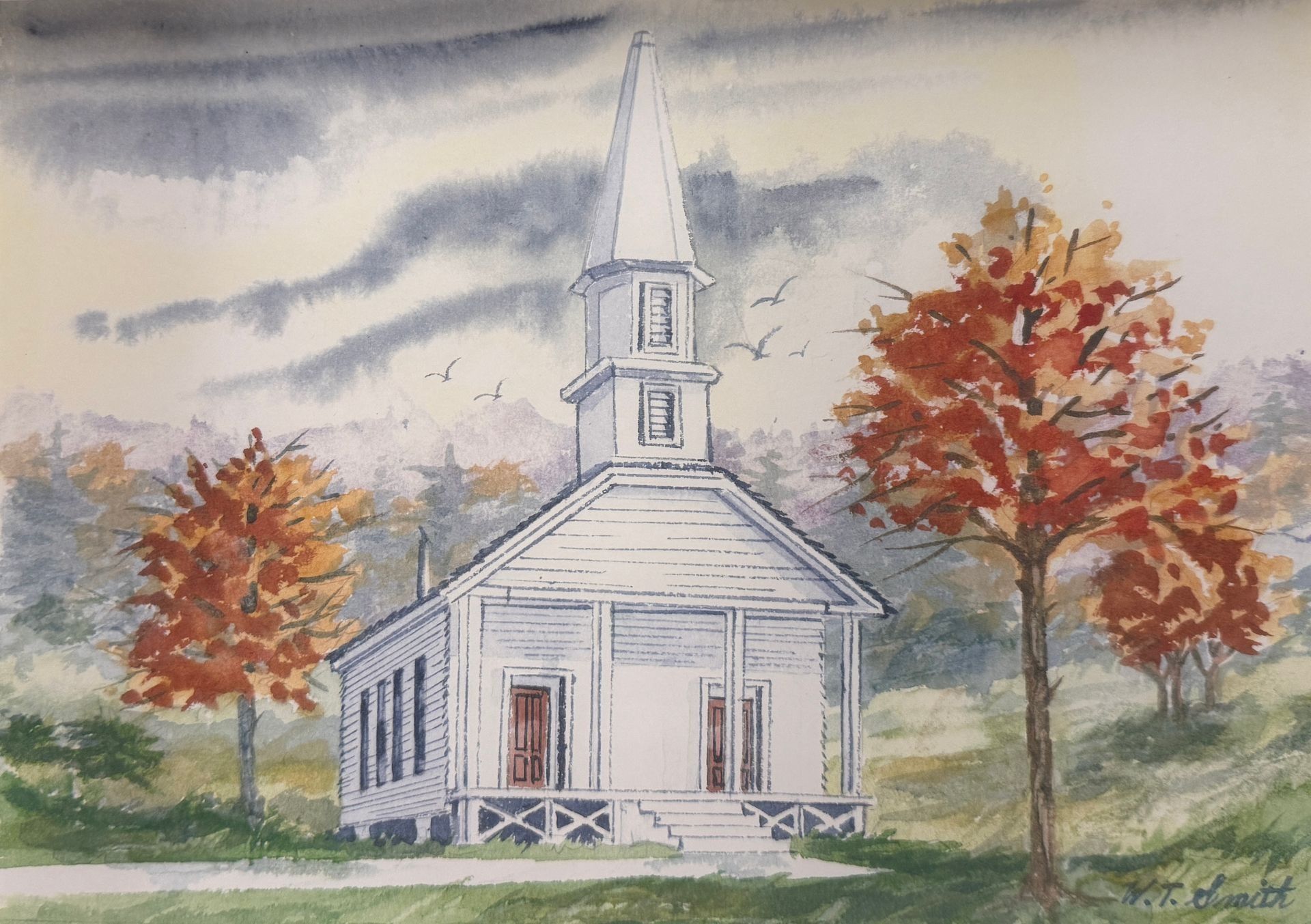
The Union Church 1874 - 1901.
The Union Church 1874 - 1901.
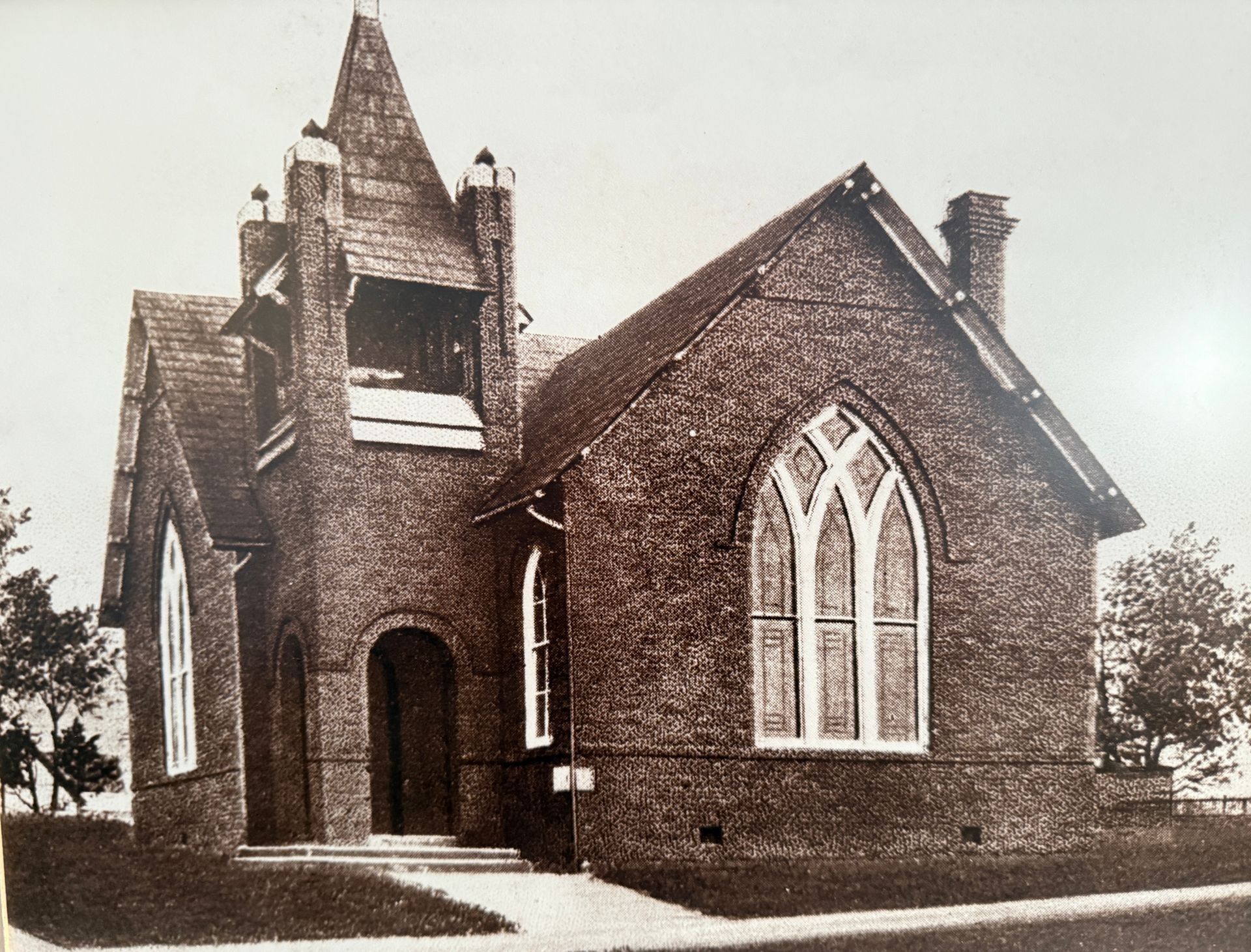
The new church, which would become Seneca Methodist Church South was built on the same site and with red brick. The brick cost $3.50 per thousand delivered. The cornerstone was laid in 1904, and the cost was $3,000. In 1924 the Annex was built and dedicated on February 9, 1941, and in 1951, the name was changed to St. Mark Methodist Church. In 1958, the church and its annex were sold to Hugh and Rachael Brown who founded Brown’s Funeral Home.
For over half a century Brown Funeral Home and its partners have served the community of Upstate South Carolina. We extend our heartfelt appreciation to the family and friends who have entrusted their loved ones into our care over the years.
Seneca Methodist Church South C. Early 1900s.
Seneca Methodist Church South C. Early 1900s.
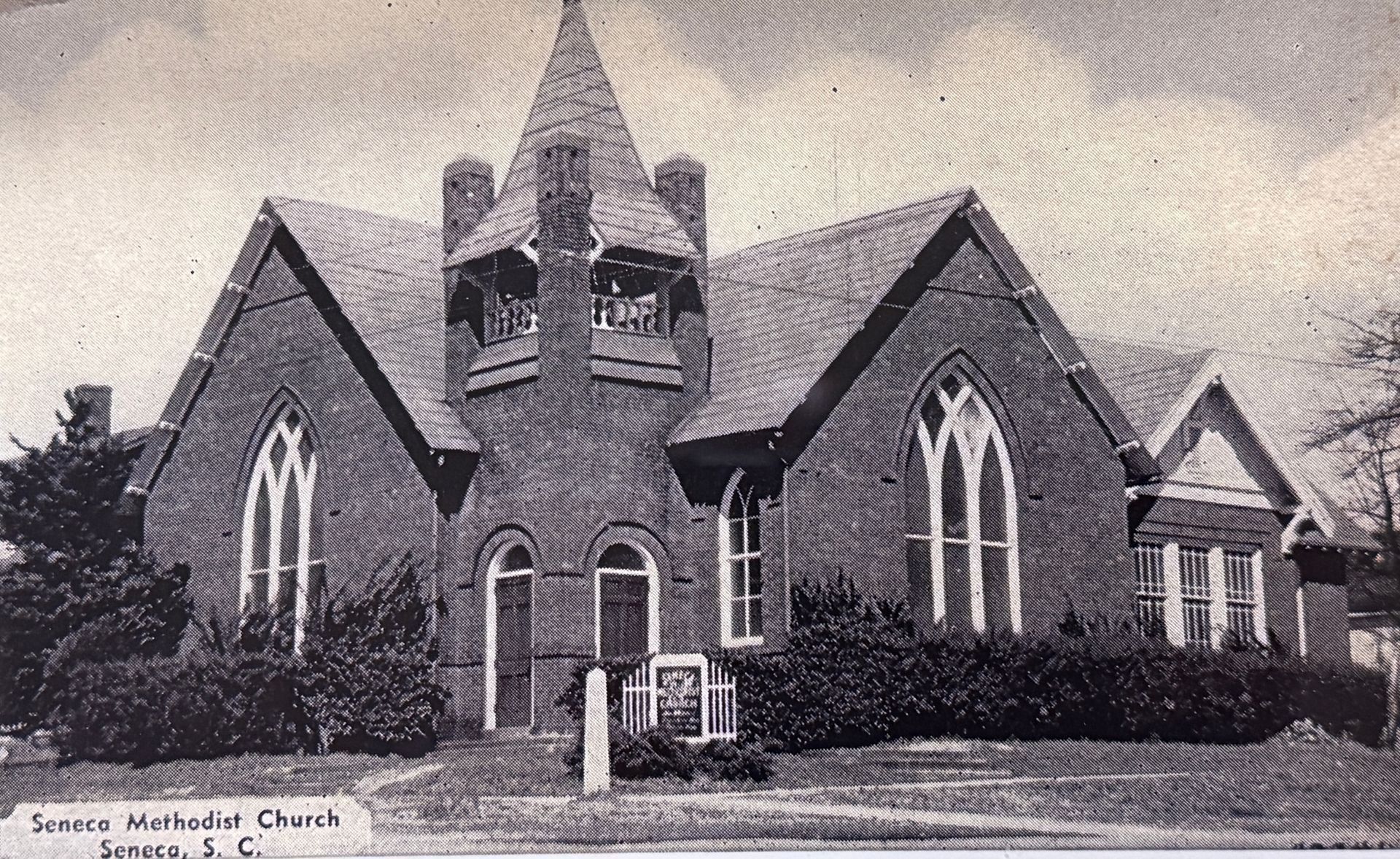
Seneca Methodist Episcopal South after the addition of the annex.
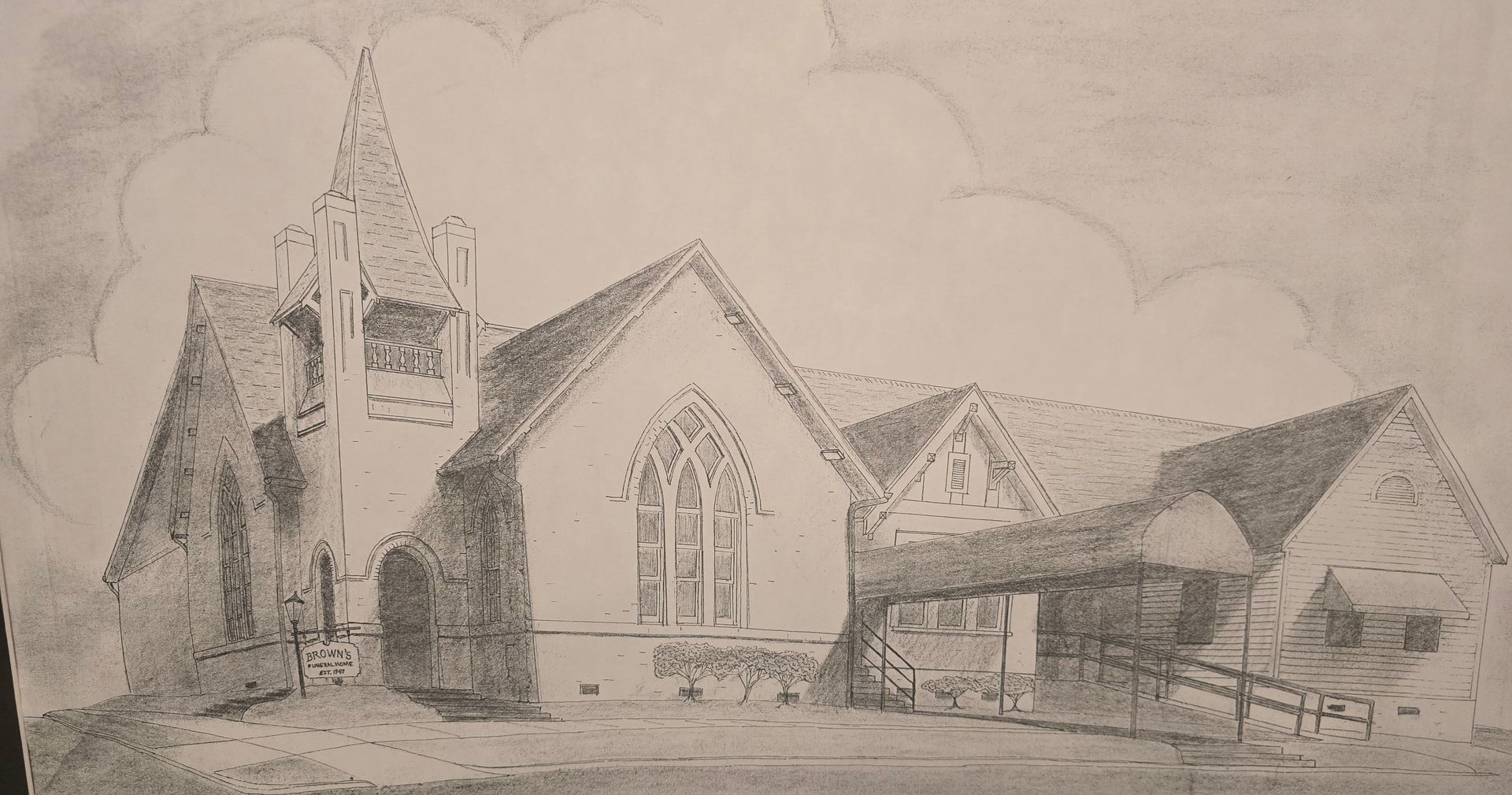
Brown's Funeral Home c. 1988 after remodeling.